
Anthropic Claude Ship launched on 23 November 2026 as a beta suite of agents that can review, fix, and approve pull requests on GitHub for Team and Enterprise customers, according to the launch report.
What Anthropic Claude Ship does
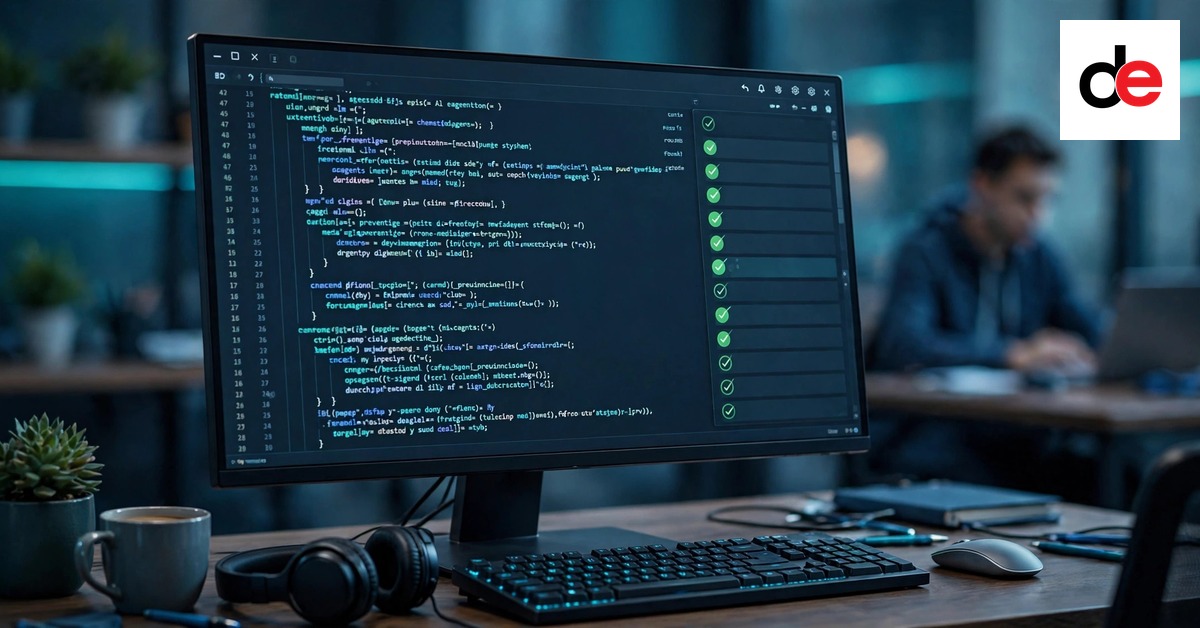
Anthropic Claude Ship gives teams AI agents that can take part in code review. A pull request is the normal way a developer asks a team to check a change before it goes into the main codebase. According to the launch report, the agents can review a change, fix problems they find, and approve a pull request when it meets the team’s rules. Review, fix, and approve are three separate steps, and the report presents all three as part of the same beta suite.
How it fits into normal code review
In software development, code review is not only about finding bugs. It is also about keeping a project readable and safe to change later. A good review can catch a small mistake early, before it reaches users. The launch report does not say that Anthropic Claude Ship removes human review. It says the agents are available for Team and Enterprise customers on GitHub, where many professional teams already manage their code. The review happens where the pull requests already live, so a team does not need a separate tool to start. The word beta matters. A beta product is still being tested with real users, and teams that try it early can learn where a human still needs to step in.
Who can use it now
According to the launch report, Anthropic Claude Ship is for Team and Enterprise customers. The report does not say it is available to every GitHub user on 23 November 2026, and this article does not claim that it is. Team and Enterprise plans are the paid plans larger organizations use to manage access and shared work. If a team is already on one of those plans, the launch report suggests Anthropic Claude Ship is aimed at them first.
Why teams are watching this launch
AI code review takes time off a busy job. A senior developer can spend a large part of a working day reading other people’s changes. If an agent can handle the first pass and suggest a fix, that developer has more time for harder questions about design. That is where human judgment still matters. An agent can check whether code changes follow a rule. It is harder to judge whether a rule is the right rule for a particular project. Teams that use AI agents well tend to use them for routine checks first. Other AI tools, such as Google’s Gemini, are also part of the same shift toward AI help inside everyday work tools.
What to watch next
The launch report does not claim that Anthropic Claude Ship writes a whole product on its own, removes the need for testing, or guarantees a change is safe. Approval is also not the same as shipping to users. In many teams, approval is one step, and deployment is a separate step. The next useful question is how teams use Anthropic Claude Ship in the first weeks of the beta. Do they let agents fix problems on their own, or ask them to suggest fixes and wait for a human to accept them? Those choices will tell us more than the launch announcement alone.
Conclusion
Anthropic Claude Ship is a practical test of a simple idea: if AI agents can handle the first review of code changes on GitHub, teams may spend less time on routine checks and more time on judgment. The launch on 23 November 2026, for Team and Enterprise customers, puts that idea in front of the teams most likely to use it at scale. Treat the beta label as a reminder to test it carefully, and to watch where teams still keep a human in charge.
FAQs
What is Anthropic Claude Ship? Anthropic Claude Ship is a beta suite of AI agents that can review, fix, and approve pull requests on GitHub, according to the launch report from 23 November 2026.
Who can use Anthropic Claude Ship? According to the launch report, it is for Team and Enterprise customers on GitHub. The report does not say it is available to every GitHub user.
Does Anthropic Claude Ship replace human code review? The launch report does not say that. It presents the agents as part of the review step, and the beta status suggests teams should still use human judgment for design and higher-risk decisions.